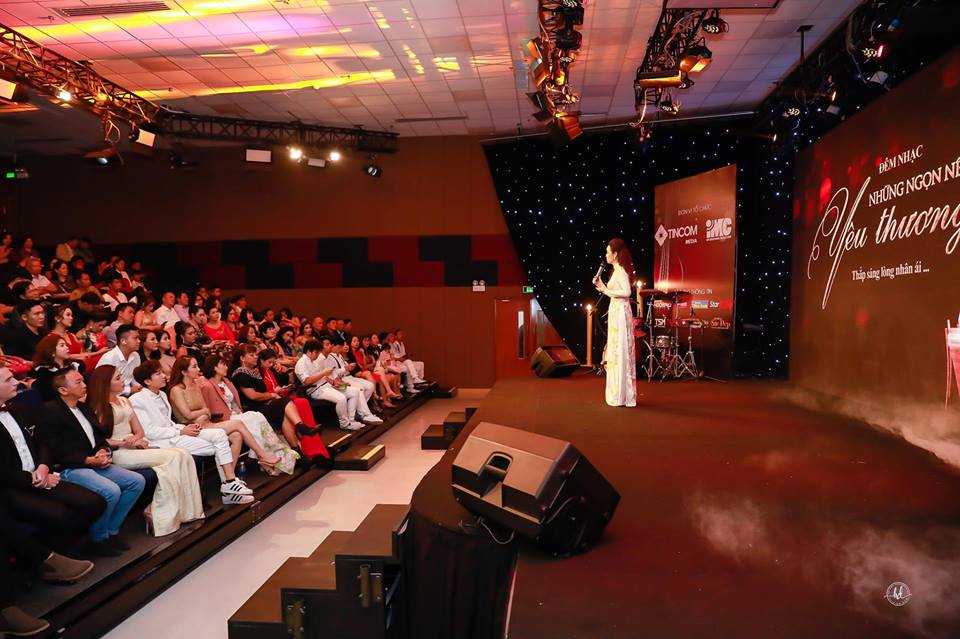
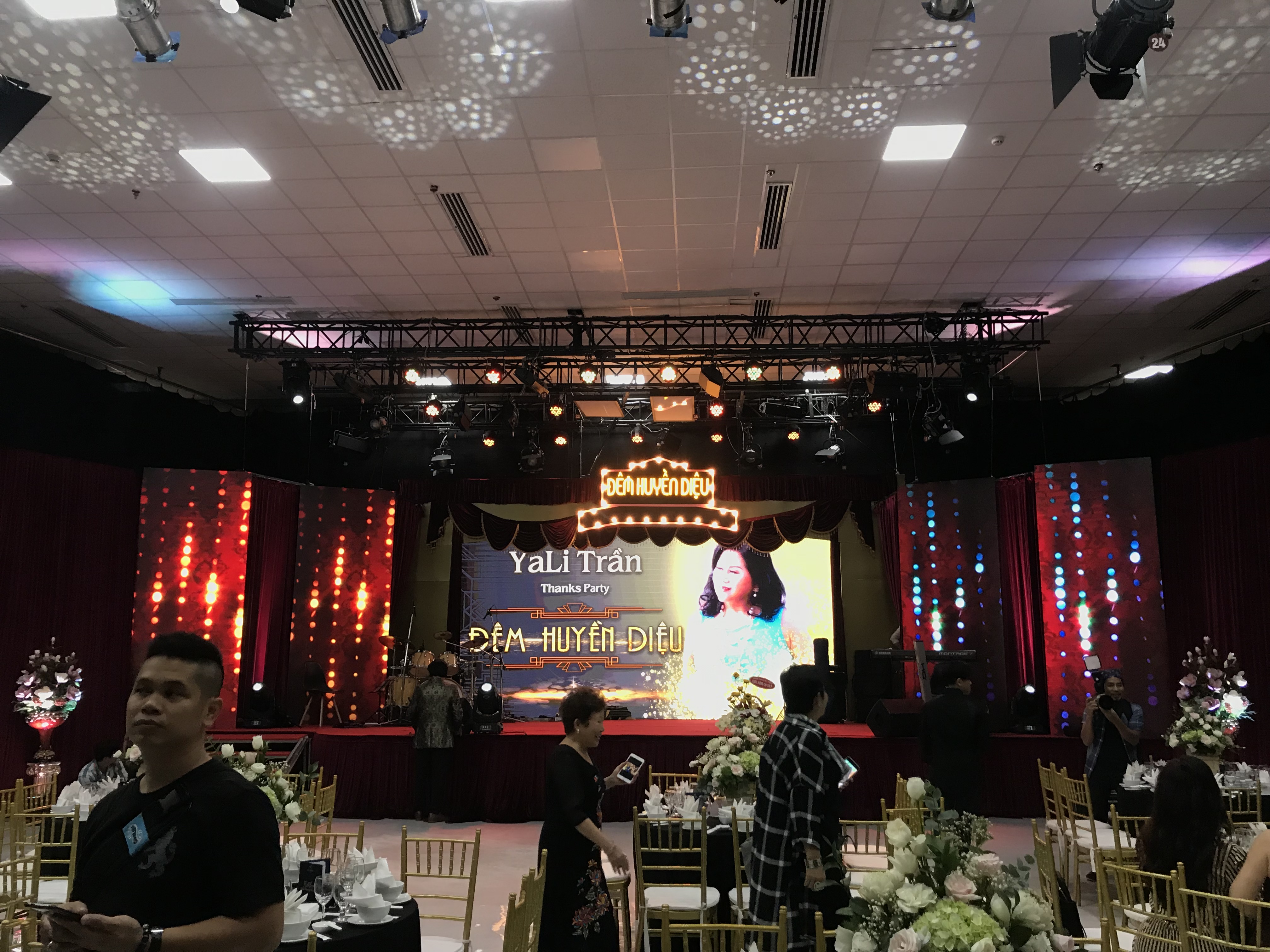
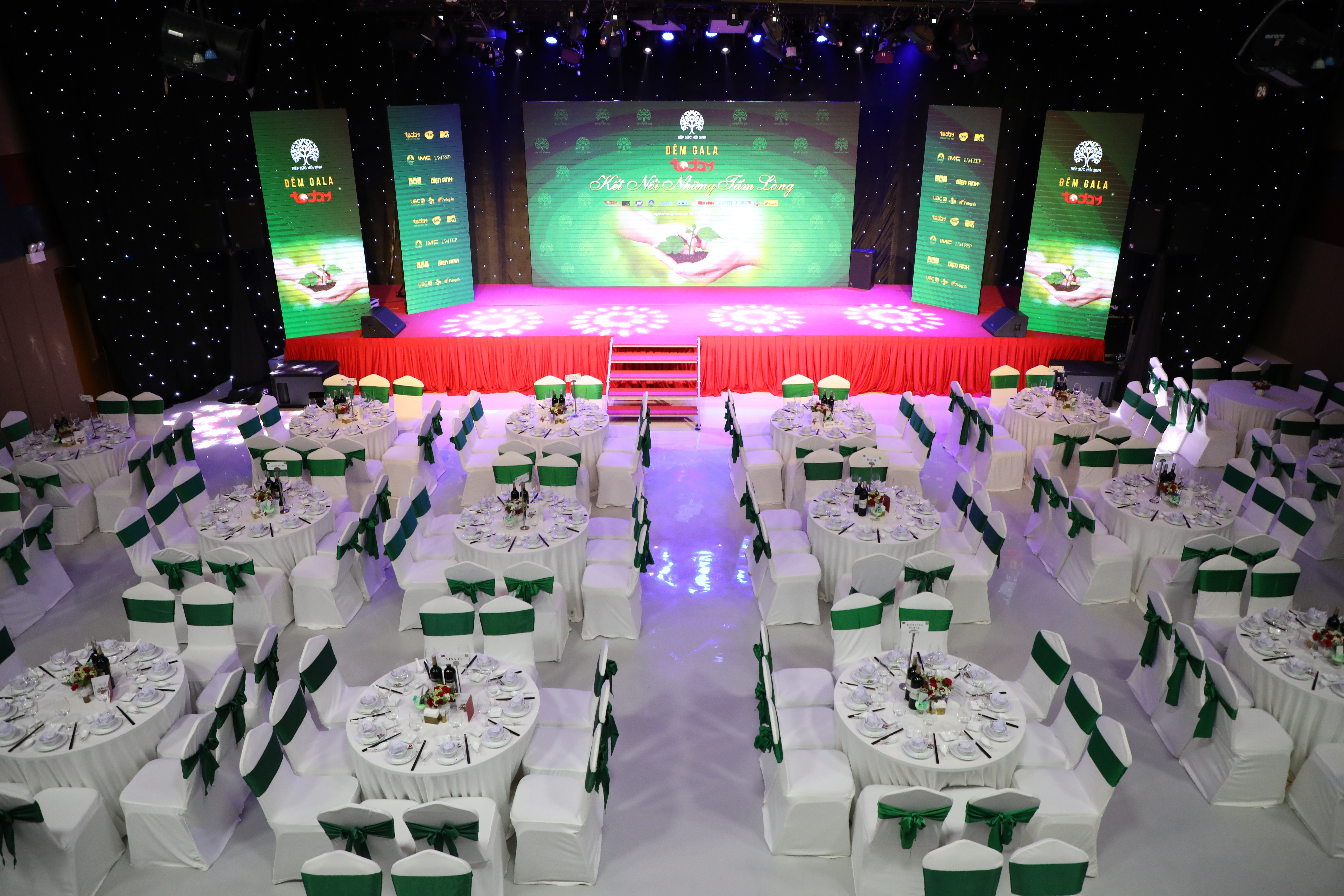
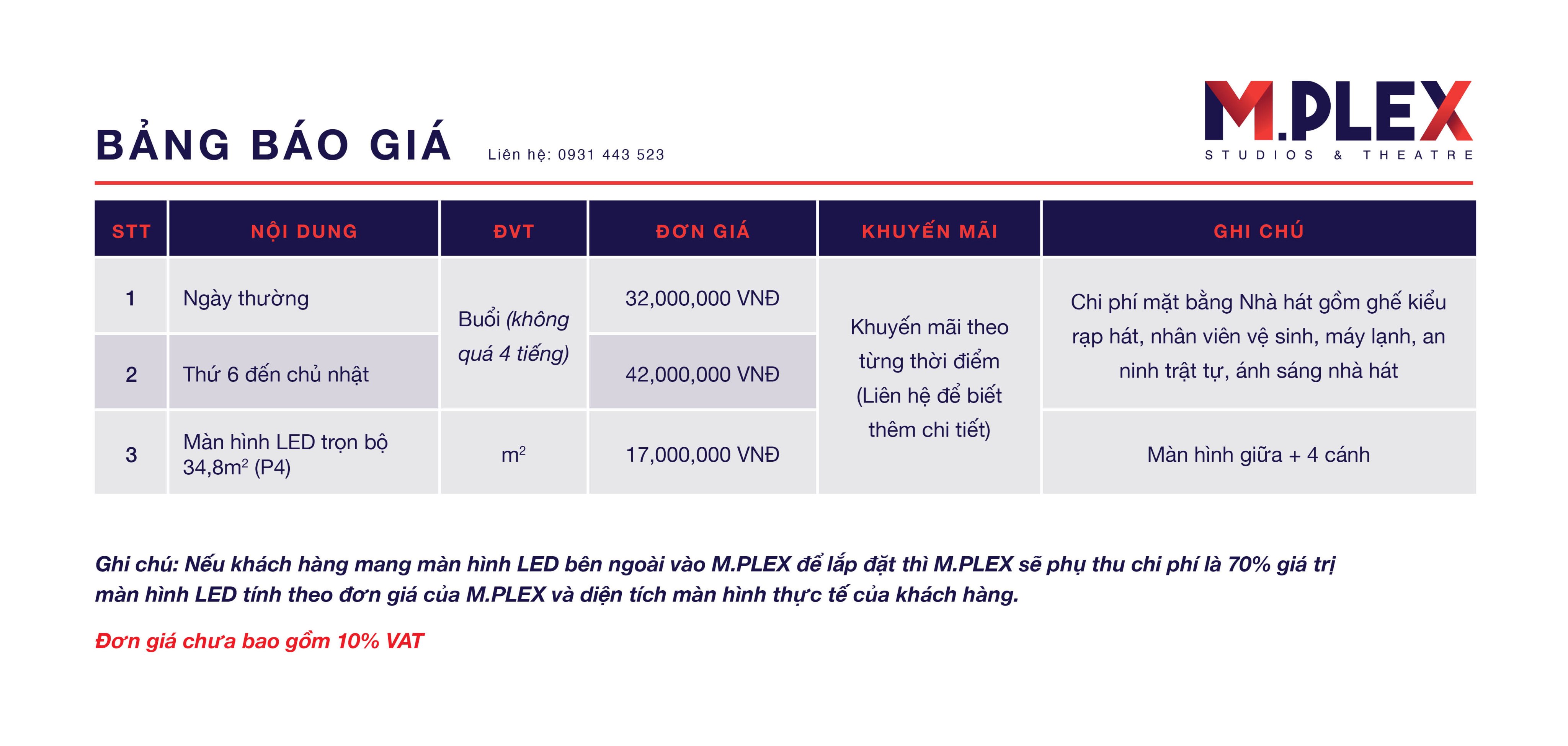
Bảng báo giá
The shy glances, passing notes in class, and the heart-pounding moment of calling the landline number, hoping their parent wouldn't answer.
This public link is valid for 7 days and shares a thread, including any personal information you added. This link or copies made by others cannot be deleted. If you share with third parties, their policies apply. Can’t copy the link right now. Try again later.
The viral popularity of this theme on social media platforms like Instagram, YouTube, and podcasts highlights a collective yearning for a slower pace of life. It reminds people of a time when connection meant sitting on a porch with neighbors, rather than liking a post online. Desi Kisse Woh Din
Desi Kisse Woh Din: Reliving the Nostalgia of India's Golden Era
Tuning into Binaca Geetmala on the radio on Wednesday nights was a sacred routine for millions. The Changing Landscape of Childhood The shy glances, passing notes in class, and
End of Paper
refers to a popular genre of nostalgic storytelling in South Asian culture, focusing on the shared memories, simple lifestyles, and community bonds of past decades, particularly the 1980s and 1990s. If you share with third parties, their policies apply
The primary conflict arises when Reetu begins her menstrual cycle. According to a strange family tradition, she is forced into complete isolation , kept alone away from the rest of the household for the duration of her period.
The social fabric of the "Woh Din" era was tightly knit. Neighborhoods functioned as extended families. The concept of privacy was fluid; front doors were rarely locked during the day, and neighbors frequently walked in to borrow a cup of sugar, share a freshly cooked dish, or look after a child.
"Woh Din Desi Kisse" is an web series. To watch it, you must be a subscriber to the Ullu app or have access to the platform's official website. At the time of this article's publication, the series is not available for free streaming on platforms like YouTube. Access is restricted to the Ullu platform.
The shy glances, passing notes in class, and the heart-pounding moment of calling the landline number, hoping their parent wouldn't answer.
This public link is valid for 7 days and shares a thread, including any personal information you added. This link or copies made by others cannot be deleted. If you share with third parties, their policies apply. Can’t copy the link right now. Try again later.
The viral popularity of this theme on social media platforms like Instagram, YouTube, and podcasts highlights a collective yearning for a slower pace of life. It reminds people of a time when connection meant sitting on a porch with neighbors, rather than liking a post online.
Desi Kisse Woh Din: Reliving the Nostalgia of India's Golden Era
Tuning into Binaca Geetmala on the radio on Wednesday nights was a sacred routine for millions. The Changing Landscape of Childhood
End of Paper
refers to a popular genre of nostalgic storytelling in South Asian culture, focusing on the shared memories, simple lifestyles, and community bonds of past decades, particularly the 1980s and 1990s.
The primary conflict arises when Reetu begins her menstrual cycle. According to a strange family tradition, she is forced into complete isolation , kept alone away from the rest of the household for the duration of her period.
The social fabric of the "Woh Din" era was tightly knit. Neighborhoods functioned as extended families. The concept of privacy was fluid; front doors were rarely locked during the day, and neighbors frequently walked in to borrow a cup of sugar, share a freshly cooked dish, or look after a child.
"Woh Din Desi Kisse" is an web series. To watch it, you must be a subscriber to the Ullu app or have access to the platform's official website. At the time of this article's publication, the series is not available for free streaming on platforms like YouTube. Access is restricted to the Ullu platform.
62 Trần Quang Khải, Phường Tân Định, Quận 1, TP.HCM.