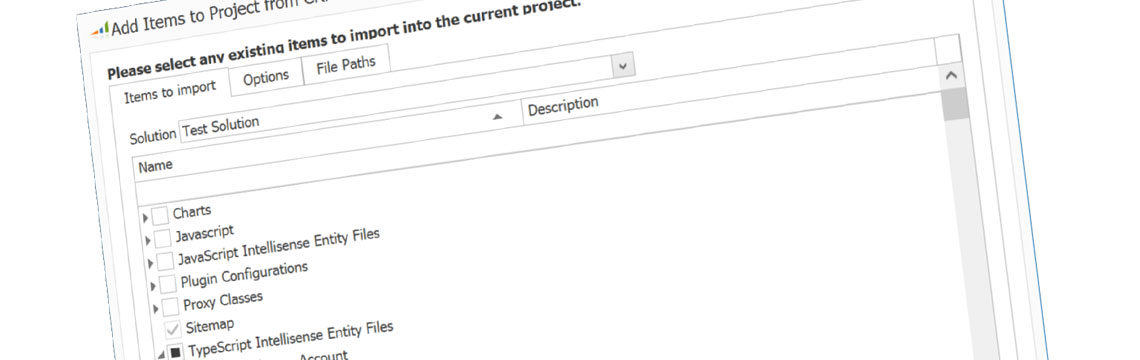
Download webresources, reports and other CRM assets directly into Visual Studio®. Learn More
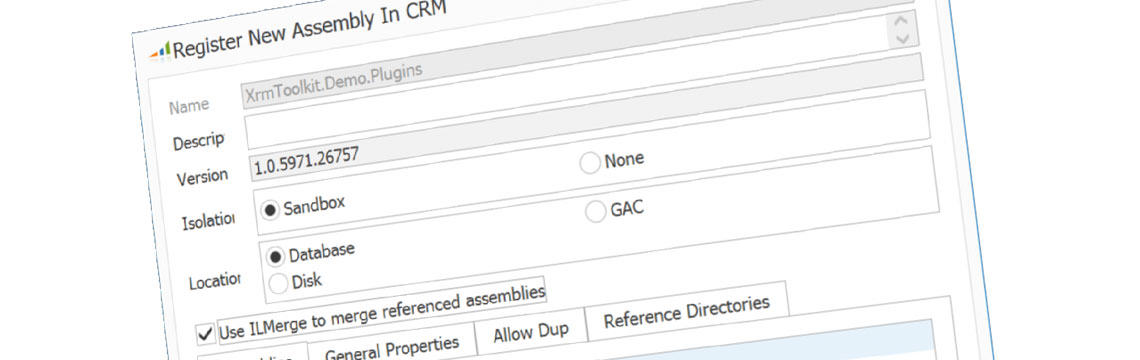
Register and upload a plugin assembly in CRM, using ILMerge, with the click of a button. Learn More
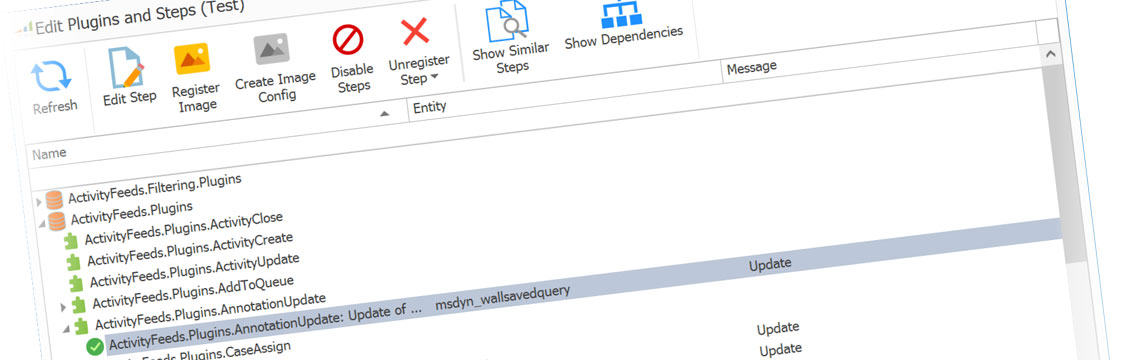
Enhanced Plugin registration tool, allowing you to register multiple steps at once, check for dependencies, or download the DLL from CRM. Learn More
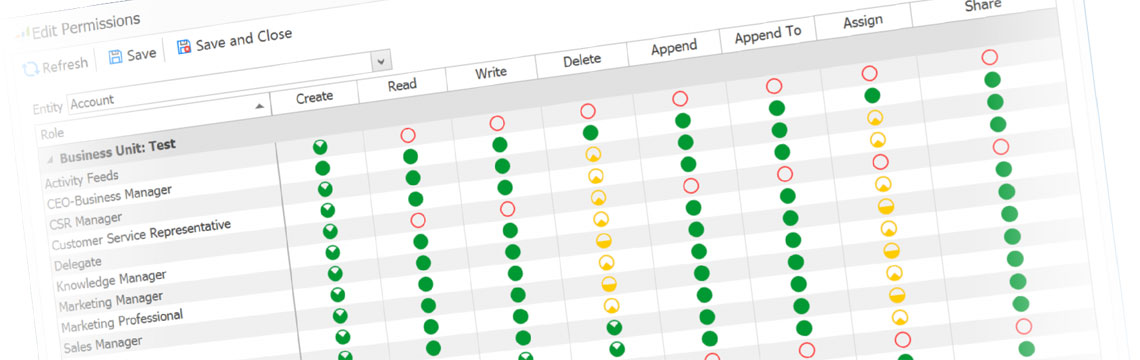
Edit privileges for an entity for all roles at once. Learn More
: This clears the temporary system cache and often fixes the "intermittent" communication error.
Step 4: Change the Default WebView Provider (For Advanced Users)If you have Developer Options enabled, you can manually select which browser handles these requests: Go to Settings > System > Developer Options. Look for WebView implementation. Ensure "Google Chrome" is selected as the provider. Is it a Virus?
Ensure that your phone is actively using Chrome to process web content. com msg.needchromeapp
Despite the numerous benefits of web applications, there is a growing need for a Chrome app that can provide users with a seamless and integrated experience. One of the main reasons for this need is the increasing demand for offline access to web applications. With the rise of remote work and mobile devices, users need to be able to access their web applications offline, without being connected to the internet.
This comprehensive technical breakdown covers what this code represents, why it triggers system alerts, and how to permanently resolve it on both consumer devices and managed business infrastructure. What is "com.msg.needchromeapp"? : This clears the temporary system cache and
Verify if your web apps are configured to open specifically in a "Managed Browser" vs. the "Device Default Browser".
[Isolate the Device Type] │ ├──► Managed Enterprise Fleet ──► Step 1: Change Web App Target Context │ └──► Individual Android/OS ─────► Step 2: Unhide/Re-enable Play Store Components Step 1: Reconfigure Web App Deployment (Enterprise MDM) Ensure "Google Chrome" is selected as the provider
The benefits of a Chrome app are numerous. Firstly, Chrome apps provide users with a convenient and accessible way to use web applications. With a Chrome app, users can access their favorite web applications directly from their desktop, without having to open a browser window. This makes it easy to use multiple applications simultaneously, increasing productivity and efficiency.
Corrupted cache files can cause unexpected behaviors:

